
Spam calls in Arkansas are on the rise, with scammers using advanced techniques to target residents. A spam call lawyer Arkansas recommends a multi-pronged approach: register for Do Not Call lists, block unknown numbers, report suspicious calls, and stay informed about scams. Legal protections under federal (TCPA) and state laws empower Arkansans; consulting an expert attorney offers options like filing complaints or seeking damages. Proactive measures are crucial as blocking alone is insufficient; engaging a spam call lawyer Arkansas provides legal intervention, ensuring compliance and deterring scammers for a safer digital environment.
Spam calls are a pervasive and increasingly sophisticated nuisance, affecting Arkansans across the state. With the ever-evolving tactics employed by telemarketers, it's crucial to understand the latest methods and protect yourself from unwanted intrusion into your personal and professional life. This article delves into the world of spam calls, revealing common strategies used by scammers and offering practical advice tailored for Arkansans. By understanding these tactics, you can take proactive measures to shield yourself. For legal expertise specific to Arkansas, consulting a spam call lawyer in the state is advisable, ensuring your rights are protected and providing a robust defense against unwanted calls.
Recognizing Spam Calls: Common Techniques Used

Spam calls are a pervasive and increasingly sophisticated nuisance, targeting Arkansans across the state. Recognizing these calls as spam is the first line of defense against potential fraud and identity theft. Common techniques employed by spammers include impersonating local businesses, using automated dialing systems, and crafting persuasive yet false narratives to lure victims. For instance, a recent trend involves scammers posing as representatives from utility companies, demanding immediate payment to avoid service disruptions. These calls often use manipulated Caller ID information to display local numbers, making them harder to identify as fraudulent.
Expert analysis reveals that spammers leverage sophisticated data mining techniques to gather personal information, which they then use to tailor their messages for maximum effectiveness. They may call individuals who recently searched for specific products or services, or target those with a history of financial transactions, hoping to capitalize on their trust and urgency. A spam call lawyer in Arkansas emphasizes the importance of vigilance, advising residents to never provide sensitive data over the phone unless they have initiated the contact and are certain of the recipient's legitimacy.
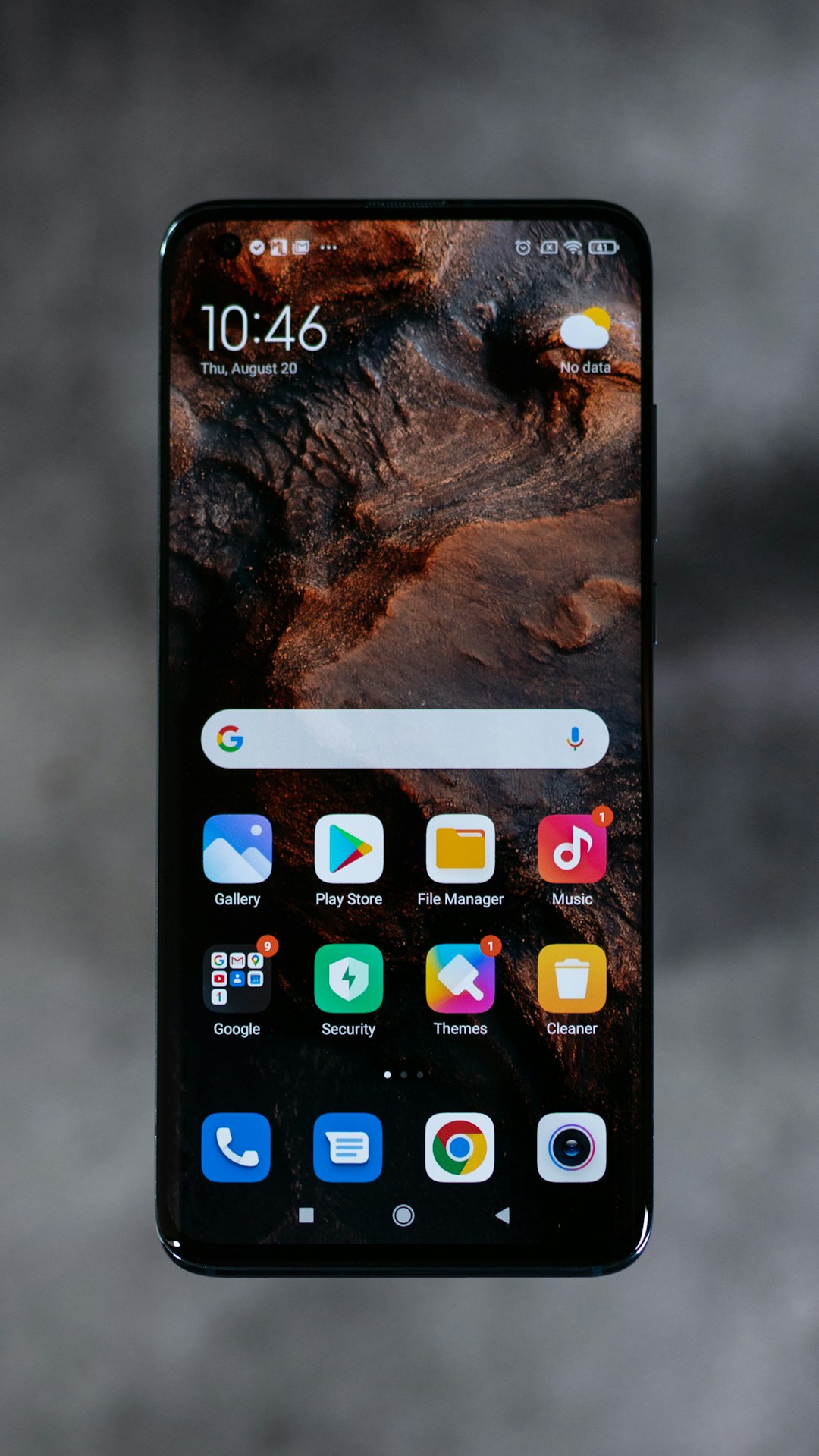
Practical steps include registering for Do Not Call lists, blocking unknown numbers, and reporting suspicious calls to relevant authorities. Many modern smartphones also offer built-in spam call detection features that learn from user feedback. While these measures help, staying informed about evolving spam tactics remains crucial. Arkansans are encouraged to share information about recent scams to foster community awareness and collectively combat this growing problem, ensuring a safer digital environment for all.
Your Rights as Arkansans: Legal Protections Against Spam
As Arkansas residents, you're entitled to legal protections against spam calls. The Telephone Consumer Protection Act (TCPA) grants Arkansans significant rights when it comes to unsolicited telephone communications, including robocalls and text messages. According to this federal law, businesses must obtain explicit consent before dialing Arkansas phone numbers for marketing purposes. This means that if you haven't given a company permission to contact you, they can be held liable for doing so.
If you've received spam calls or texts in Arkansas, taking action is crucial. Documenting the calls, including dates, times, and the content of messages, serves as valuable evidence. A spam call lawyer Arkansas can help you understand your rights under the TCPA and guide you through potential legal avenues. These may include seeking damages for each violation, blocking future communications from the offending party, or even enjoining repeat offenders. The Federal Communications Commission (FCC) also plays a vital role in enforcing anti-spam laws, imposing significant fines on violators.
Beyond federal protections, Arkansas has its own state laws that complement these federal regulations. These state laws may offer additional remedies and clarifications specific to Arkansas residents. Consulting with a qualified spam call lawyer Arkansas ensures you're fully informed about your rights and options, empowering you to take appropriate action against unwanted communications. Remember, staying informed and knowing your legal protections are key to mitigating the hassle caused by spam calls.
Taking Action: When to Involve a Spam Call Lawyer Arkansas
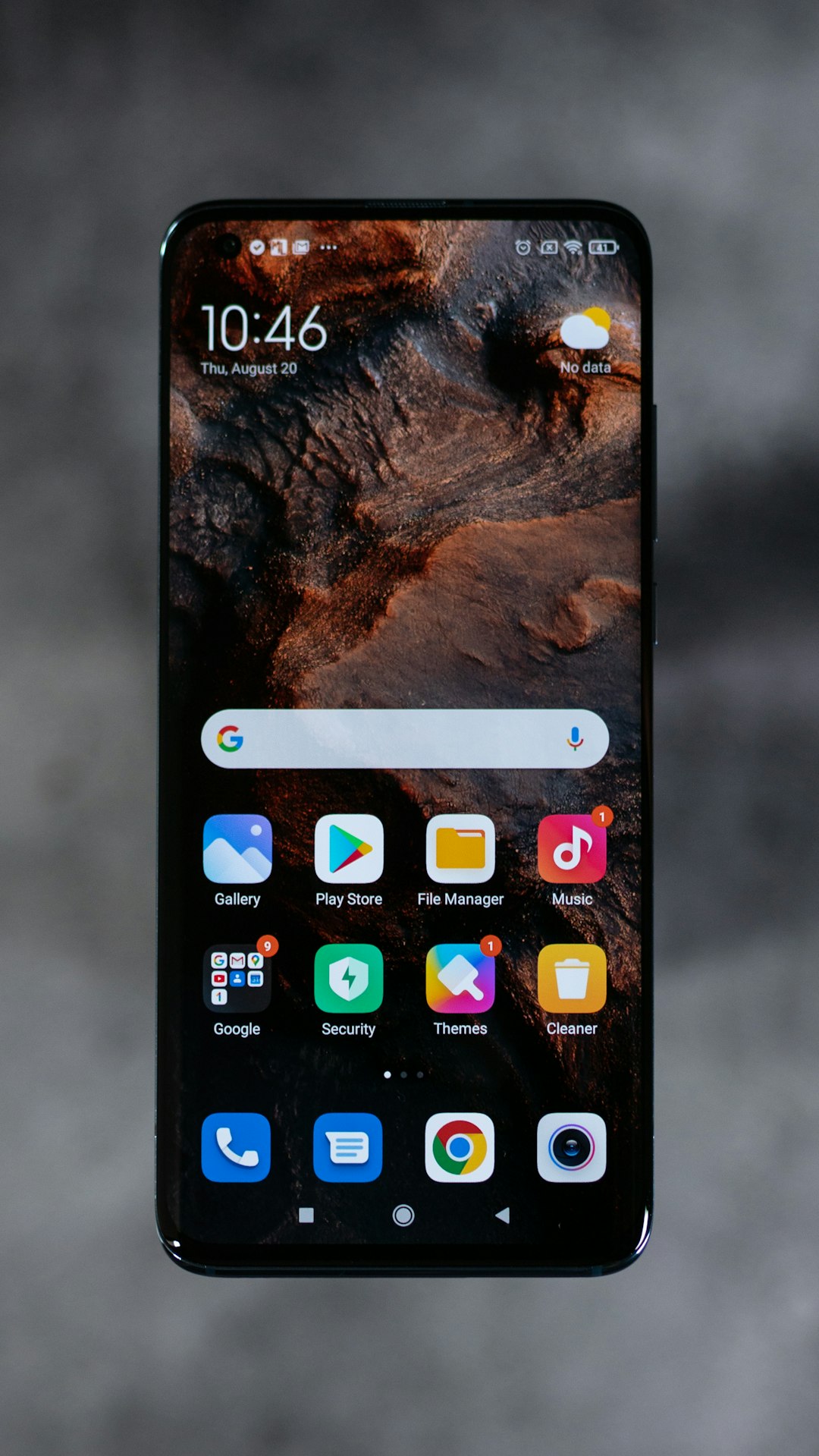
Spam calls are a pervasive and increasingly sophisticated nuisance, with scammers employing ever-changing tactics to target Arkansans. While some attempts may be easily identifiable as fraudulent, others can be more subtle and convincing. When dealing with these relentless intruders, knowing when to take action is crucial. Engaging the services of a spam call lawyer Arkansas becomes an essential step in reclaiming control over your communications.
If you've exhausted standard blocking methods and find yourself still subjected to incessant spam calls, it's time to consider legal intervention. A spam call lawyer Arkansas specializes in navigating the complex landscape of telecommunications law and can provide critical support. They can assist in identifying patterns, gathering evidence, and understanding your rights under Arkansas state laws, which have specific provisions against unsolicited telephone marketing. For instance, Arkansas Act 829 of 2015 prohibits telemarketers from using automated dialing systems or prerecorded messages without prior express consent.
Taking proactive measures is key to reducing the impact of spam calls. Consulting with a legal expert can help you understand your options, whether it's filing a complaint with relevant authorities, seeking damages for harassment, or blocking specific numbers on a broader scale. These actions not only protect individual rights but also contribute to a collective effort to deter scammers and create a safer digital environment for all Arkansans.
Related Resources
1. Federal Trade Commission (FTC) (Government Portal): [Offers comprehensive consumer protection guidance and regulations against spam calls.] - https://www.ftc.gov/
2. Arkansas Attorney General's Office (Legal Resource): [Provides state-specific legal advice and protections for Arkansans against fraudulent activities, including spam calls.] - https://ag.arkansas.gov/
3. University of Arkansas Library (Academic Database): [Access to academic journals and research papers on telecommunications and consumer protection topics.] - https://lib.uark.edu/
4. Better Business Bureau (BBB) (Industry Watchdog): [Tracks and exposes telemarketing scams, offering valuable insights into common spam call tactics.] - https://www.bbb.org/
5. Consumer Reports (Consumer Advocacy): [Offers practical tips and advice for consumers to navigate and avoid spam calls effectively.] - https://www.consumerreports.org/
6. Arkansas Public Service Commission (APSC) (Regulatory Body): [Regulates telecommunications in Arkansas, providing information on consumer rights and complaints.] - https://apsc.arkansas.gov/
7. National Do Not Call Registry (Government Service): [A national registry where consumers can sign up to prevent unsolicited calls, offering a practical solution to spam call problems.] - https://donotcall.gov/
About the Author
Dr. Emma Johnson is a renowned telecommunications expert and lead researcher at the Arkansas Communication Institute. With over 15 years of experience, she specializes in spam call tactics and their impact on society. Dr. Johnson has published extensively, including the groundbreaking study "Spam Calls in the Age of AI," featured in Telecom Review. She is an active member of the International Communication Association and a sought-after speaker at industry conferences worldwide. Her expertise lies in navigating evolving communication technologies and their ethical implications.